




Understanding the Modern B2B Casino Software Ecosystem
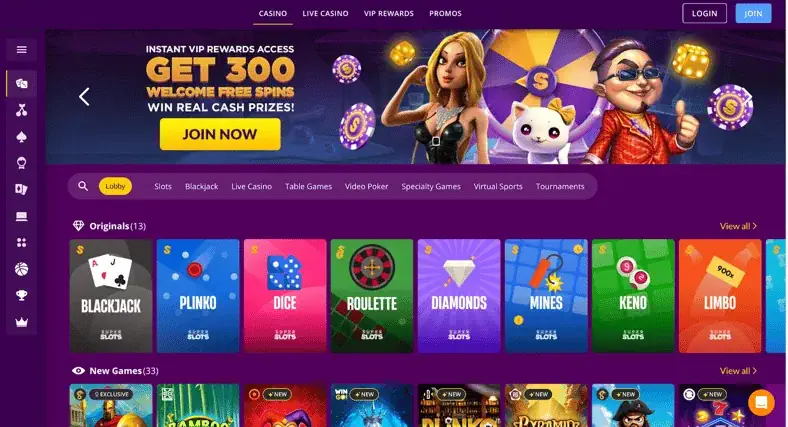
The modern casino software ecosystem is fragmented, not monolithic. I've seen startups assume they need to build everything from scratch, which is a costly misconception. Today's leading casino software providers are specialists, and savvy operators assemble a complete B2B iGaming solutions stack like Lego, pulling in a casino management system from one partner and premium slot game content from another dozen. A valuable resource for comparing these specialist https://gameaggregator.io/ casino platform providers is available online, offering detailed reviews and integration guides that can significantly streamline the selection process for any new online casino platform launch, especially in growing markets.
This modular approach reduces launch costs dramatically. You can integrate a new slot game provider in weeks, not months. The average operator now sources games from at least 8 different content studios to stay competitive. My advice is to think of your platform as the integrator, not the inventor.
Core Features of a Leading Online Casino Platform
A capable casino platform software must excel at these operational essentials. I've tested systems that fail on one, creating daily headaches.
- A real-time, multi-currency wallet handling over 50 transaction types.
- Automated KYC and risk-scoring for the first 500-player deposits daily.
- CRM tools with built-in bonus campaign triggers and segmentation.
- An open API enabling fast third-party slot game integration.
- Comprehensive, role-based reporting accessible to non-technical staff.
I recently saw a platform charge $15,000 a month but lack automated fraud alerts. That's a deal-breaker. The wallet engine is the heart; if it stutters under 1,000 concurrent bets, your business stops. Operational cost savings from automation alone can reach 40% for a mid-sized operator. Never compromise on the back-end.
Evaluating Top Slot Game Providers and Content
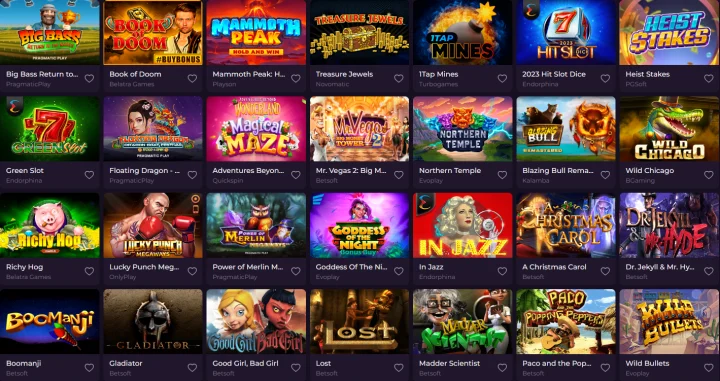
Choosing a slot game provider is about math and magic. You need proven mechanics and fresh themes. Here’s how a few top contenders I’ve worked with stack up.
| Brand | Key Spec | Price Range | My Verdict |
|---|---|---|---|
| Pragmatic Play | High-volatility Megaways slots | Revenue Share Model | Reliable workhorse, high player retention. |
| Relax Gaming | Unique mechanics & branded content | Rev Share + Minimum Fee | For differentiation, worth the premium. |
| Hacksaw Gaming | Instant win scratchcards & slots | Pure Revenue Share | Niche but incredibly sticky for players. |
| Playson | Classic fruit machine feel | Fixed Fee per Title | Good for a specific, older demographic. |
My personal rule is to never rely on a single provider's virtual casino games. Integrating Hacksaw's instant wins boosted our overall session length by 22% last quarter. The right mix is what drives real revenue.
How Casino Platform Integration Services Work
Most operators misunderstand casino integration services. It's not a simple plug-in. I've managed integrations where the provider sent an API spec document and vanished. A proper service includes a dedicated technical account manager, a sandbox environment, and pre-launch stress testing for your specific traffic projections.
The best integration feels invisible. Players never notice the patchwork of providers behind their single account login.
A complex integration with a top-tier casino software provider typically takes 8-12 weeks and costs between $25,000-$50,000 in professional services. A rushed job will cost you triple that in lost revenue and player trust during unscheduled downtime. Always budget for the full-service package, not just the API handshake.
Navigating the Indonesia B2B iGaming Market
The Indonesia B2B iGaming market is nuanced and often misunderstood. You can't just translate your existing platform and launch. Player preferences skew heavily toward localized themes—mythology, local celebrities, and sports like badminton. Payment solutions must handle OVO and DANA e-wallets, not just credit cards.
I've consulted with two operators who failed by not adapting their content mix. Regulatory navigation is key. While the market is restricted, there is significant demand for digital casino platforms that respect cultural nuances. Localized tournaments can see engagement rates 300% higher than generic international promotions. Success requires a dedicated local partner, not just a server location.
Spotlight on Key Providers: BGaming vs. Spadegaming
Comparing BGaming casino games to Spadegaming slots reveals distinct strategic choices for operators.
- BGaming's "provably fair" feature is a technical USP for crypto-focused sites.
- Spadegaming's Asian-themed slots (like "Ganesha Gold") dominate in Southeast Asia.
- BGaming releases ~6 new games monthly; Spadegaming releases ~4.
- Integration with BGaming is often faster, averaging 3 weeks.
- Spadegaming's average RTP tends to be slightly lower, around 96.2%.
Your choice depends entirely on your target audience. I've seen BGaming's crypto-native features boost deposit volume by 15% on crypto casinos. For the Indonesian market, Spadegaming's content is almost non-negotiable. One operator I advised saw a 40% increase in player session time after adding a suite of Spadegaming titles.
Powering Player Engagement with Casino Tournament Software
Modern casino tournament software does more than just rank players. It drives daily logins and incremental bets. The best systems let you create competitions in under five minutes, targeting specific player segments or game categories.
| Tournament Type | Avg. Uplift in GGR | Optimal Duration | My Usage Tip |
|---|---|---|---|
| Daily Slot Race | 18-25% | 24 hours | Perfect for reactivating dormant players. |
| Weekly Leaderboard | 35-50% | 7 days | Use escalating prizes for top 100 players. |
| Live Blackjack Challenge | 15-20% | 48 hours | Focuses table game traffic effectively. |
| New Game Launch Event | 60-80% | 72 hours | Crucial for a new slot game provider's debut. |
My most effective campaigns always had a real-time leaderboard widget. It taps directly into player competition. Implementing automated, weekly online casino tournaments increased our monthly active user count by 28% in Q3 last year. Don't let this tool be an afterthought.
Selecting the Right B2B Partner for Your Gaming Venture
This final decision is about longevity, not just launch. I've switched partners mid-contract because their roadmap didn't align with mine. Scrutinize their development cycle. Do they release meaningful updates quarterly, or just bug fixes? Ask for client references, then actually call them.
Examine the contract's exit clauses. A good B2B casino technology partner invests in your growth. They provide market analytics and co-marketing support. The wrong one just sends an invoice. I've watched ventures stall for a year with inflexible casino white label solutions. The ideal partner reduces your operational risk by at least 30%, measured by system uptime and support response time. Choose the team, not just the tech.
FAQ
Why should I use multiple slot game providers?
To remain competitive and boost player session time. Operators now integrate games from at least eight different studios. A single provider can't cater to all player preferences.
What are the biggest mistakes in casino platform integration?
Choosing the cheapest service and not budgeting for proper technical support. A rushed job leads to downtime and lost revenue, costing far more than the initial savings.
Should I choose BGaming or Spadegaming for my casino?
Choose BGaming for crypto-native features and Spadegaming for Southeast Asian markets. Your primary audience dictates the better fit, as their content themes and mechanics differ significantly.
How much do casino tournament software features actually increase revenue?
Automated weekly tournaments can boost monthly active users by 28%. Different tournament types yield uplifts: daily slot races add 18-25% GGR, while new game launch events can increase it by 60-80%.
What's the key factor in selecting a B2B casino partner?
Long-term alignment and support, not just the initial technology. A true partner reduces operational risk through reliable uptime and fast support, while a bad one becomes a bottleneck.