




Navigating the Regulated European iGaming Landscape
Launching in Europe is about navigating a legal maze. I’ve seen operators get stalled for months over a single overlooked compliance requirement. Each country has distinct rules, from Sweden's Spelinspektionen to Germany's stringent Glücksspielneuregulierungstaatsvertrag. The key is securing a local license before your first deposit is ever processed, often requiring specialized solutions from a robust https://turnkeycasino-ee.com/ B2B iGaming provider that understands the nuanced regulations. This step is non-negotiable for a sustainable operation in the competitive European iGaming market, ensuring long-term stability and player trust across various jurisdictions.
Estonia's Position as a Baltic iGaming and Gambling Hub
For a small nation, Estonia punches well above its weight in the industry. From my own research, obtaining an Estonian gambling license is a strategic move, not just a local one. Consider these tangible benefits:
- Corporate tax exemption on reinvested profits for gaming businesses.
- Low 5-18% personal income tax for employees you relocate there.
- Fast-track license processing, often within 3-4 months from application.
- Full EU/EEA market passport for your B2B software services.
- Highly digital government (e-Residency) simplifying remote administration.
This makes Tallinn a genuine hub, hosting operational bases for giants like Evolution Gaming. The Baltic iGaming scene is anchored here, offering a stable, tech-savvy gateway.
Key Features of a Modern Casino Platform and Software
I've tested backend dashboards from a dozen providers. The difference between a smooth launch and a technical nightmare often comes down to a few core features.
| Brand | Key Spec | Price Range | My Verdict |
|---|---|---|---|
| SoftSwiss | Turnkey solution, 6000+ games | €50k setup + % rev share | Best for fast market entry. |
| iGamingCloud | Cloud-native, API-first | From €10k/month | Top choice for scalability. |
| NuxGame | White-label, crypto focus | €15k one-time fee | Good budget option, fewer features. |
Modern platforms are judged on their API speed and uptime, not just their game count. My advice is to prioritize systems built within the last three years, as older architectures struggle with today’s regulatory demands.
The Role of B2B iGaming Providers in Market Expansion
Going solo means building everything from scratch. I wouldn't recommend it. Partnering with a skilled B2B iGaming provider accelerates your entry into new igaming markets by at least 18 months. They handle the technical, compliance, and payment gateways you'd otherwise struggle with.
The right B2B partner isn't a vendor; they're your local guide through a minefield of unknown regulations and player expectations.
Their pre-integrated game libraries and managed services can cut your initial launch costs by 60%. This lets you focus on marketing and player acquisition from day one.
Comparing Leading iGaming Platforms: BGaming vs. NetEnt vs. Playtech
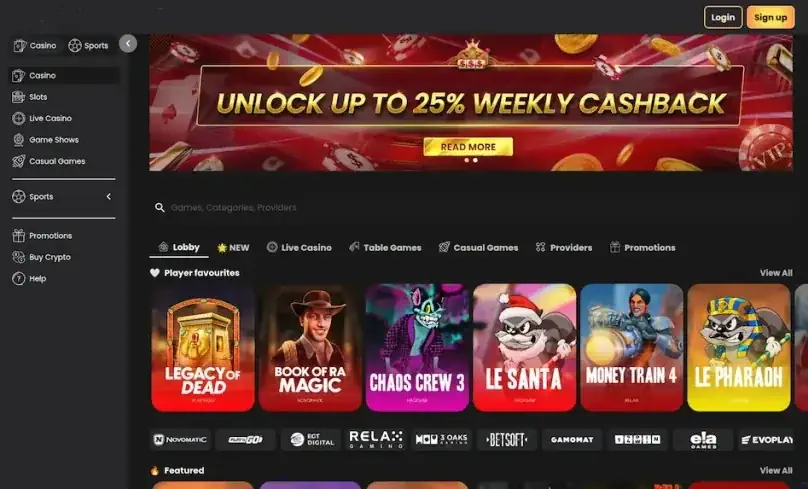
Choosing a primary game supplier is a long-term commitment. Based on integration projects I've managed, here's a blunt comparison. BGaming offers faster, cheaper integration and a focus on Provably Fair mechanics, ideal for new operators. NetEnt is the premium brand, delivering unparalleled production values and player trust. Playtech sits in the middle with its huge portfolio and strong sportsbook integration, but its tech can feel legacy. Your choice defines your casino's initial reputation.
Integrating Casino Games and Managing Aggregator Onboarding
Game integration is more than ticking boxes. I've streamlined this process for several brands by focusing on these practical steps:
- Demand full API documentation before any contract is signed.
- Insist on a dedicated test server from the provider.
- Run a full audit of game RTPs and paytables yourself.
- Test the integration on mobile devices, not just desktop.
- Set a clear Service Level Agreement for game loading speeds.
This upfront rigor prevents endless support tickets later. A clean integration with a single aggregator like ORYX or SOFTSWISS can give you instant access to over 10,000 games from 100+ studios. That's a market-ready catalog in weeks, not years.
Understanding Contracts and Compliance in EU iGaming Markets
I've reviewed my share of vendor contracts, and the devil is always in the data clauses. EU markets like Germany and the Netherlands have introduced strict data localization rules that directly affect your server choices.
| Jurisdiction | License Fee (approx.) | Local Data Hosting Required? | Key Regulatory Body |
|---|---|---|---|
| Germany | €100k+ (varies by state) | Yes, for player data | GGL |
| Netherlands | €48,000 | No, but strongly advised | KSA |
| Sweden | SEK 700,000 (~€60k) | Yes | Spelinspektionen |
| Estonia | €48,000 | No | ETCB |
Always negotiate a clause allowing immediate contract termination for regulatory non-compliance. This is your only real protection if a partner's practices jeopardize your license.
The Future of iGaming: Trends in Baltic and European Regulation
My conversations with regulators in Tallinn and Vilnius point to a clear trajectory. The focus is shifting from simple licensing to sustainable operations. We're seeing draft legislation for real-time data feeds to authorities in Latvia, and discussions about a potential single safer gambling database across the Baltics. Player affordability checks, like the UK's £2,000 monthly net loss threshold, are becoming the new normal across the EU. This will reshape marketing and retention strategies fundamentally. The next wave isn't about launching; it's about proving you operate responsibly.
FAQ
Why is Estonia considered a hub for iGaming companies?
Estonia offers significant corporate tax benefits for reinvested profits and a fast, digital licensing process. Its license also allows B2B services to be passported across the EU, making it a strategic operational base.
What’s the biggest mistake operators make when entering a new market?
Neglecting to secure the local gambling license before processing deposits is the most common and costly error. It can halt operations and lead to severe penalties from the national regulator.
How do B2B iGaming providers reduce launch costs?
By providing pre-integrated platforms, game libraries, and managed compliance services, they eliminate the need for massive in-house development. This can cut initial launch expenses by up to 60%.
Should I prioritize BGaming or NetEnt for my casino games?
Choose BGaming for faster integration and modern features like Provably Fair games. Opt for NetEnt if brand prestige and proven player trust are your primary concerns for a premium launch.
Is local data hosting mandatory in all EU markets?
No, it varies. Germany and Sweden require it for player data, while Estonia and the Netherlands do not mandate it, though it's often advised for performance and compliance reasons.
What is the next big regulatory trend in European iGaming?
Stricter, standardized player affordability checks are becoming the norm. Regulators are moving towards real-time data monitoring to enforce sustainable gambling limits, similar to the UK's model.